Mole, Skin Tag, Sun/Age Spot Removal

What can we treat?
Sebhorroeic Keratosis (brown warts)
Milia
Solar lentigines (Age/liver/sun spots, freckles or dark, hyperpigmented lesions)
Popular Nevi (benign moles)
Cherry angioma (red blisters)
Verrucas
Skin tags
Angiofibroma (fibrous papules)
Granuloma (inflamed nodules)
Dermatofibroma (benign fibrous skin growths)
Molluscum Contagiosum (water warts)
Porokeratosis (dermatosis)
Condyloma acuminate (genital warts)
Actinic Keratosis (pre-cancerous skin lesions)
Other benign lesions
We treat benign skin lesions on the surface of the skin, many of which are no longer able to be treated by doctors under the NHS, due to their cosmetic nature.
How will they be removed?
We offer two methods;
Plasma Pen burning
Cryopen freezing
What is Plasma Pen?
Plasma is often called “the fourth state of matter,” along with solid, liquid and gas.
Just as a liquid will boil, changing into a gas when energy is added, heating a gas will form a plasma – a soup of positively charged particles (ions) and negatively charged particles (electrons), for the fast, effective and safe solution for the controlled destruction of unwanted skin imperfections,by creating a controlled wound using plasma gas and is entirely non-contact.
The wound is immediately cauterised to minimise the risk of infection.
Plasma Pen is FDA approved add CE certified.
What is Cyrotherapy?
Cryotherapy is the use of extreme cold produced by liquid nitrous oxide for the fast, effective and safe solution for the controlled destruction of unwanted skin imperfections.
The CryoPen™ is a FDA and CE registered advanced cryotherapy innovation. It is a pen-like instrument which delivers a fine pinpoint spray of liquid nitrous oxide at a constant temperature of minus-127 degrees under high pressure which allows the therapist to work with millimetre precision. This means the nitrous oxide is delivered directly to the treated area and not to the healthy surrounding tissue.
The nitrous oxide destroys the tissue by freezing the inter-cellular fluid in a matter of seconds, forming ice shards and crystals which rupture the membrane, thereby destroying the cell.
That means there will be no collateral damage to healthy tissue. It’s so incredibly accurate and practical.
Does it hurt?
The first initial touch may be slightly uncomfortable, but after that there should be minimal pain, regarding all prior care is followed correctly. However if you are on medication, or it is the time of the month you may be more sensitive.
Men also tend to feel pain, more than women.
The Plasma Pen treatment itself is non-contact and termed as soft-surgery, the plasma gas creates a very rapid, controlled wound to the skin across the whole area to be treated. In doing this, the controlled wound feels similar to a pinprick and so a mild numbing agent is applied to alleviate this slight discomfort. The healing process itself is again not considered to be painful, sometimes just slightly itchy or feels tight , however, the fibroblast treatment does involve minimal downtime so this discomfort does not last for long.
With Cyropen, there will be a mild sensation similar to a stinging nettle on the skin when the nitrous oxide reaches the bottom of the area. There might be a little residual stinging for a few minutes after treatment and the area can be slightly itchy for about 10 minutes after the procedure. Most patients get an anaesthetic effect from the extreme freezing temperatures.
CryoPen therapy has been established to be very safe. However, be prepared for the following:
• Slight discomfort during the procedure - As with most lesion treatments, you’ll feel some slight discomfort while CryoPen is being applied. The discomfort usually feels like the pressure of a pen being pressed against your skin. However, unless you have a problem such as a skin allergy, it will only last a few seconds. Generally, no topical anaesthesia (or numbing cream) is required before treatment.
• Mild stinging following the procedure - Immediately after the procedure, you will likely experience mild to medium stinging that may last for several minutes to an hour. Again, don’t be too worried about the stinging as it goes away naturally.
How much is it?
Prices start at £120-£250, depending on the type of lesion.
If you decide to have more than one removed within the same sitting we charge an extra £22-£50 per extra lesion.
If a follow up is required, the cost will be £22-£50.
Is there any downtime?
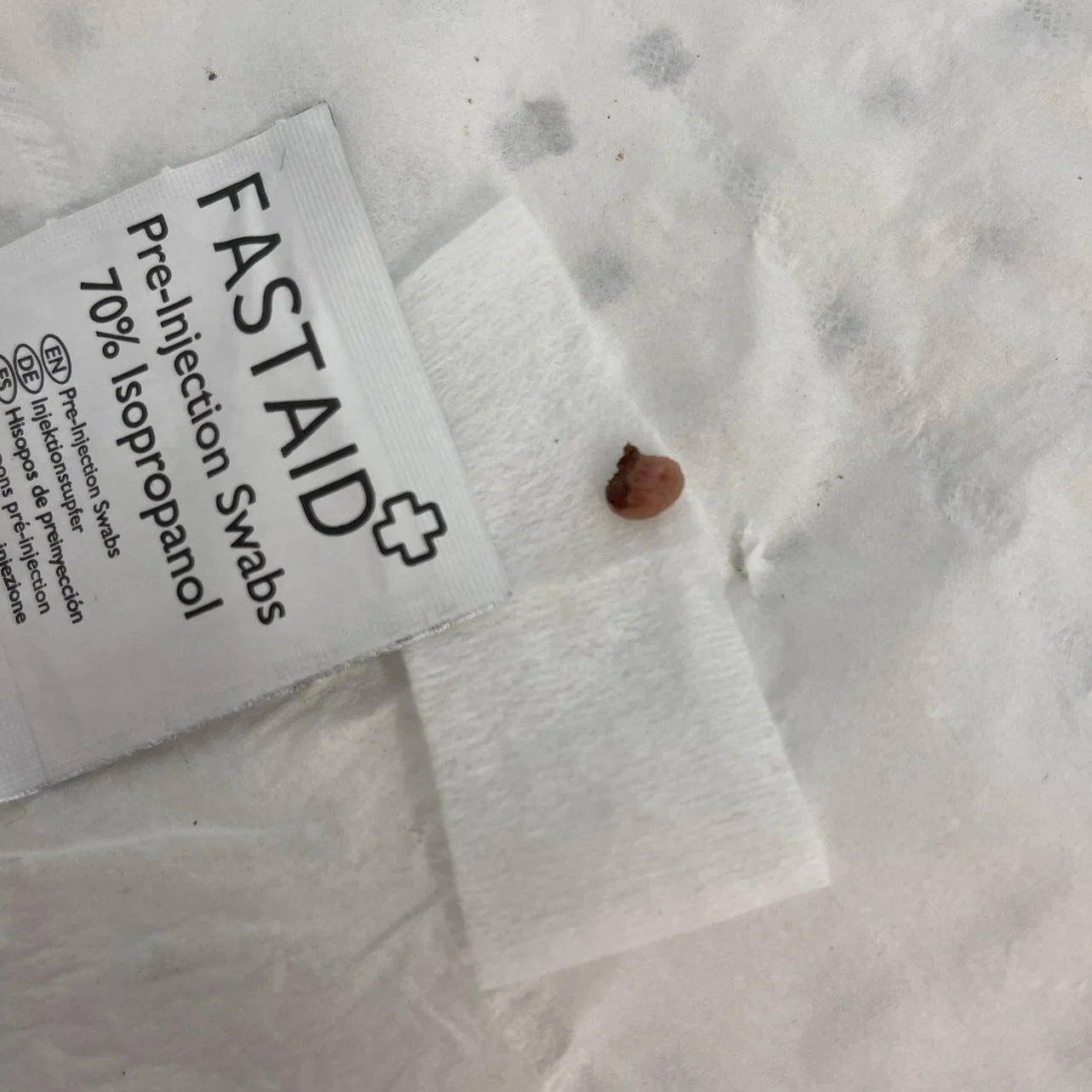
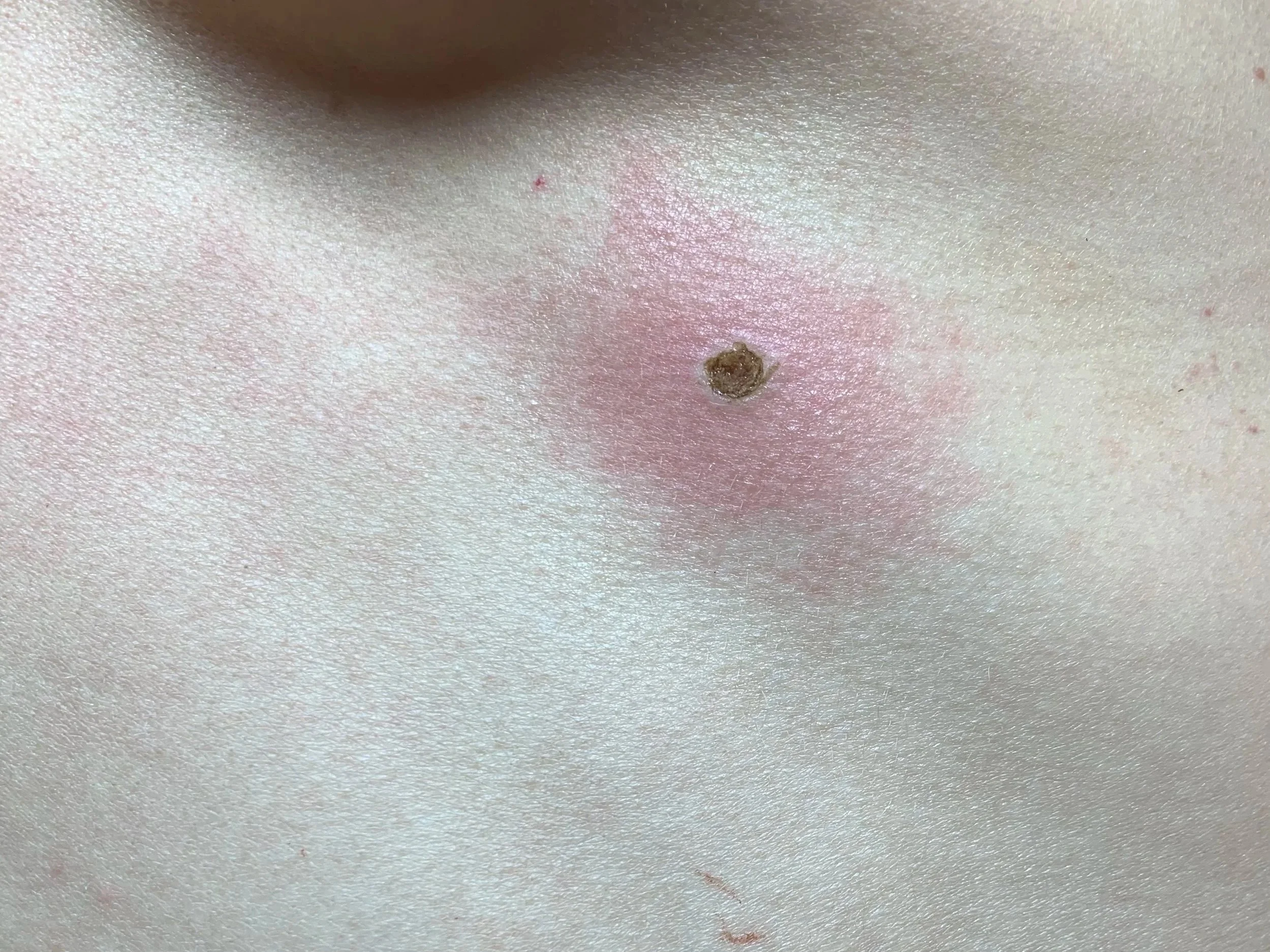
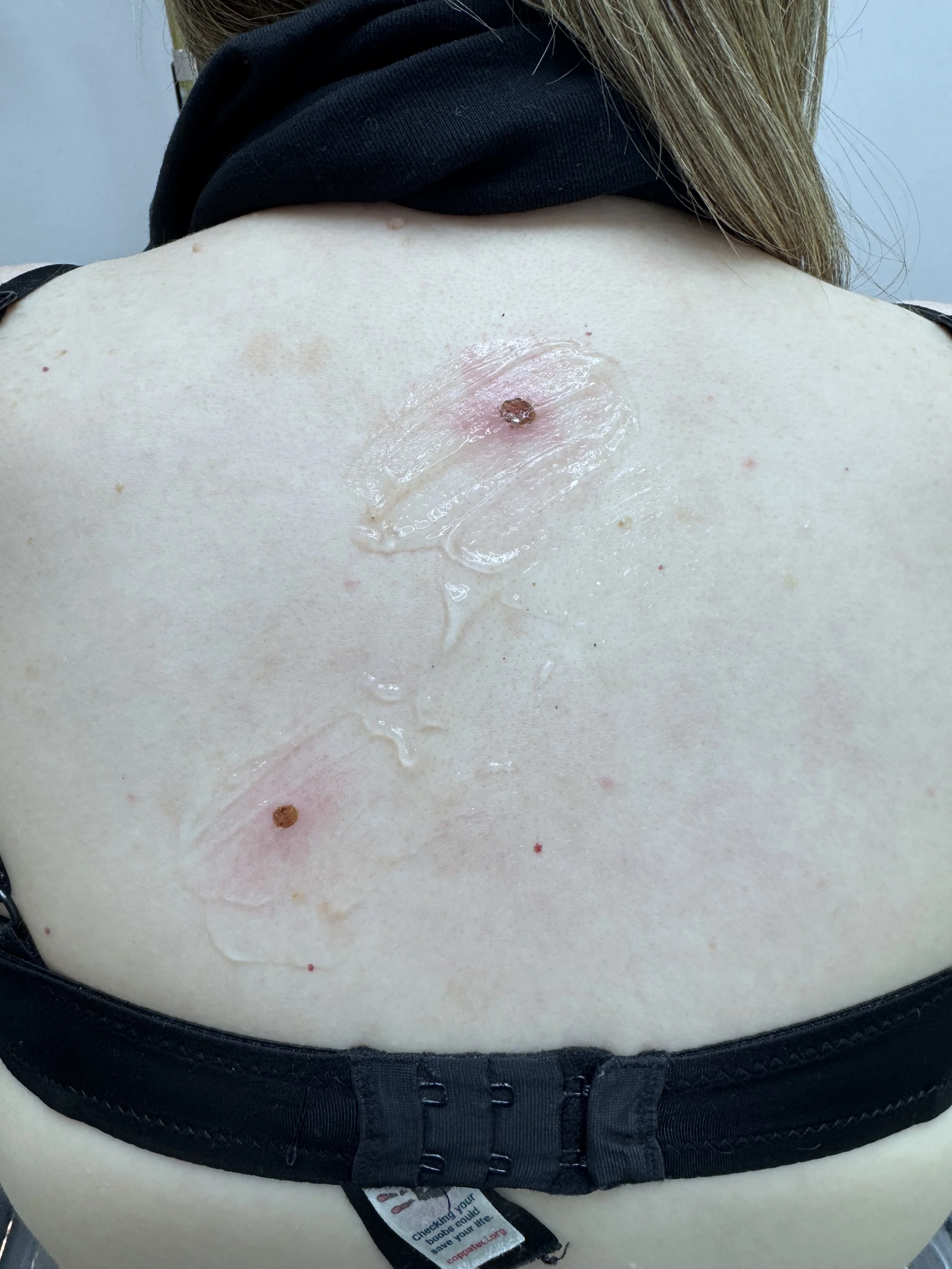
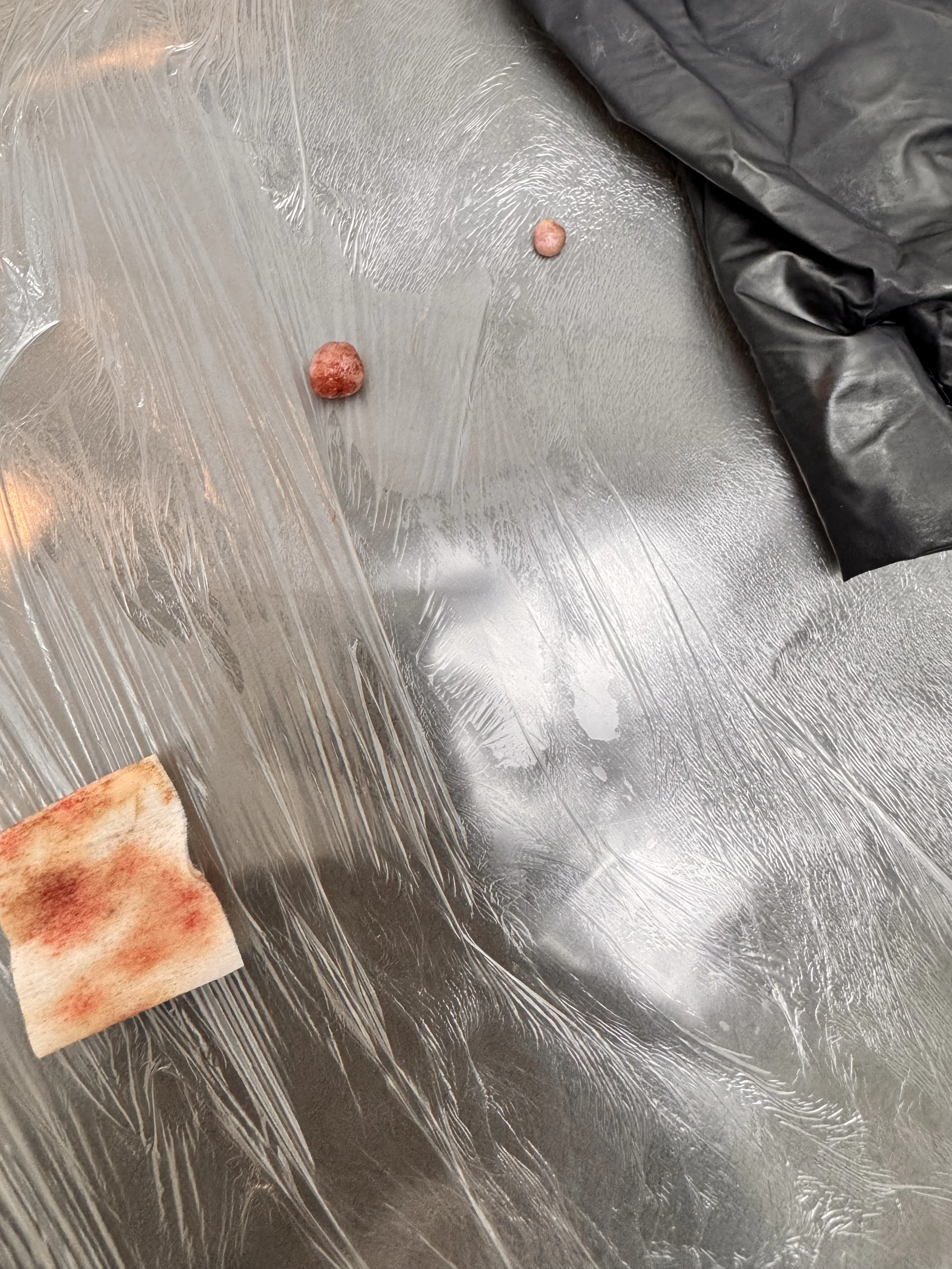
Once removed you will be left with a brown crust/scab which should disappear within 3-14 days, depending on your immune system. We recommend you take high dose vitamin C dissolvable tablets for faster healing.
When the scab/crust disappears the skin will be pink, as the fresh new skin develops. This can take unto 12 weeks, but is usually back to normal much sooner. However even if the skin is back to its original colour you must avoid the treated area coming into contact with the sun or sunbeds, as this can cause pigmentation or scarring.
Is there any aftercare?
You will be giving a gel, which will need to be applied morning and night, along with all the aftercare sent via WhatsApp.
How do I know if it’s safe for removal?
We are part of Map My Mole and Skcin MASCED Melanoma and Skin Cancer Early Detection.
Its always essential that correct diagnosis of a lesion is carried out before treatment because some lesions can be related to cancer and it is quite easy to confuse these with ordinary, benign lesions. So, the expert advice of a dermatologist is needed.
Before removal we will carry out a consultation and send everything across to our dermatology team for a second, professional opinion. The cost of the consultation is £120. You will receive an email usually within 48 hours with the dermatology report and then we will book a removal session.
Please be aware we no longer accept Doctors notes/letters.
What will it look like after?
If Plasma Pen is used, you may have a brown crust (scab) straight after, which can last 3-14 days.
Once the scab comes away the skin will be bright pink, this is just the brand new skin coming to the surface and can last unto 12 weeks, before returning back to normal skin colour.
If Cyropen is used, the area freezes and turns white. After this white area thaws, a flushing occurs and the area will turn red and a weal will form.
After 2-24 hours after being frozen the weal may turn into a blister which may take several days to dissolve, however this is very rare. Rarely, the skin where the lesion was treated, usually becomes sore, red, weepy and blistered. It may sting for an hour or so after treatment.
Often a scab will form in the following days. This is common where deep freezing is used and may cause pain immediately after the treatment. The practitioner may recommend topical or oral pain killers to relieve discomfort if required. It is important not to scratch or pick at a scab as this can lead to scarring.A crust will form over the lesion, which typically, after about 10 to 14 days, will fall off and the skin will then be healed.
The skin may appear lighter in colour or pink, which then returns to its normal colour over a period of a few weeks. Lesions treated on the legs often take a little more time to heal.
For larger and deeper lesions a second crust may form making the healing time slightly longer.
Although it is best to try to leave the treated area uncovered, a plaster or simple dressing may be applied if it is in an area which may lead to rubbing and aggravation.
It is important not to pick at the crust as this may lead to scarring.
Will it scar?
There is always a chance of scarring, especially if prior and aftercare isn’t followed, or you have medical conditions, but 99% of our clients are left with no visible mark.
Both hyperpigmentation (darkening of the skin) and hypopigmentation (lightening of the skin) may occur temporarily, both generally last for a maximum of a few months.
Age/Sun spots
Age/sun spots are caused by an excess production of melanin due to skin aging and sun exposure or other forms of ultraviolet light exposure, such as tanning beds.
They are most likely to develop on the areas of your skin that receive the most sun exposure, including the face, back of hands, chest, shoulders and forearms.
Milia
Small, raised, pearly-white or yellowish bumps on the skin.
They are most often seen on the skin around the cheeks, nose, eyes and eyelids, forehead and chest but they can occur anywhere on the body.
Seborrheic Keratosis
A seborrheic keratosis usually looks like a waxy or wart-like growth. It typically appears on the face, chest, shoulders or back of the body. You may develop a single growth or cluster of them. A seborrheic keratosis: Varies in color, usually from light tan to brown or black. Is round or oval shaped.
Cherry Angioma
These blood spots are common skin growths which can grow on most areas of your body and are usually found on people aged 30 and older. The broken blood vessels inside a cherry angioma give them a reddish appearance.
They are no cause for concern, unless they bleed or change shape or colour. Cause is unknown, possibly a genetic factor, linked to pregnancy, chemicals or climate change and age.
Skin Tags
A Skin Tag is a small flap of tissue that hangs off the skin by a connecting stalk. Skin tags are not dangerous.
They appear most often in women, especially with weight gain and in elderly people. Irritation can occur if the skin tag frequency rubs against clothing or jewellery.Skin Tags are usually a few millimetres in size, although can be bigger.
They are usually found on the neck, in the armpits, around the groin, or under the breasts. They can also grow on the eyelids or under the folds of the buttocks.
Moles
Moles are a common type of skin growth. They often appear as small, dark brown spots and are caused by clusters of pigmented cells.
Moles generally appear during childhood & adolescence.
Most people have 10 to 40 moles, some of which may change in appearance or fade away over time.
Most moles are harmless. Rarely, they become cancerous.
Monitoring moles and other pigmented patches is an important step in detecting skin cancer, especially malignant melanoma.
Warts and Verruca
Warts are highly contagious and occur when a virus comes in contact with theskin and causes infection.
Verrucae take on the appearance of warts but are flatter because they tend to be found on the feet, where the dermis is thicker.
Shop bought topical preparations for the removal of warts and verrucae use a “slow freeze” principle to destroy the cells.A slow freeze gives the cells time to self-protect themselves, therefore taking a long time to destroy the lesion, if at all, whereas Plasma Pen, or Cryopen attack the cells, destroying the nucleus therefore removing the lesion as it has not time to protect itself.
Pre-treatment:
Soak for 5 mins every day for one week prior to your appointment
Exfoliate or gently file every day, after soaking, for one week prior to your appointment
A second treatment may be required if the wart/verruca is very large or has been present for a few years to make sure no viral cells remain.