
Scalp Pigmentation
What is scalp pigmentation?
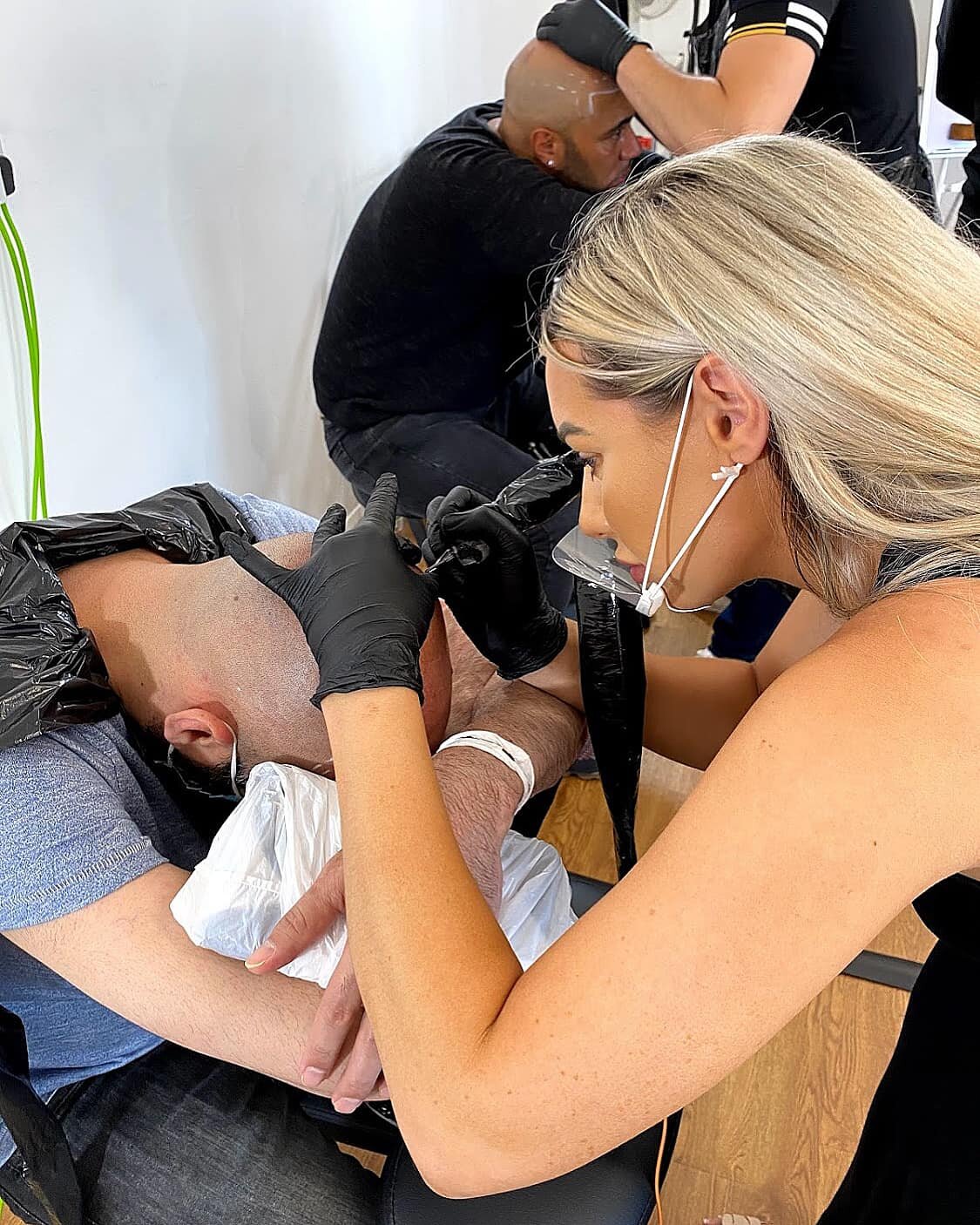
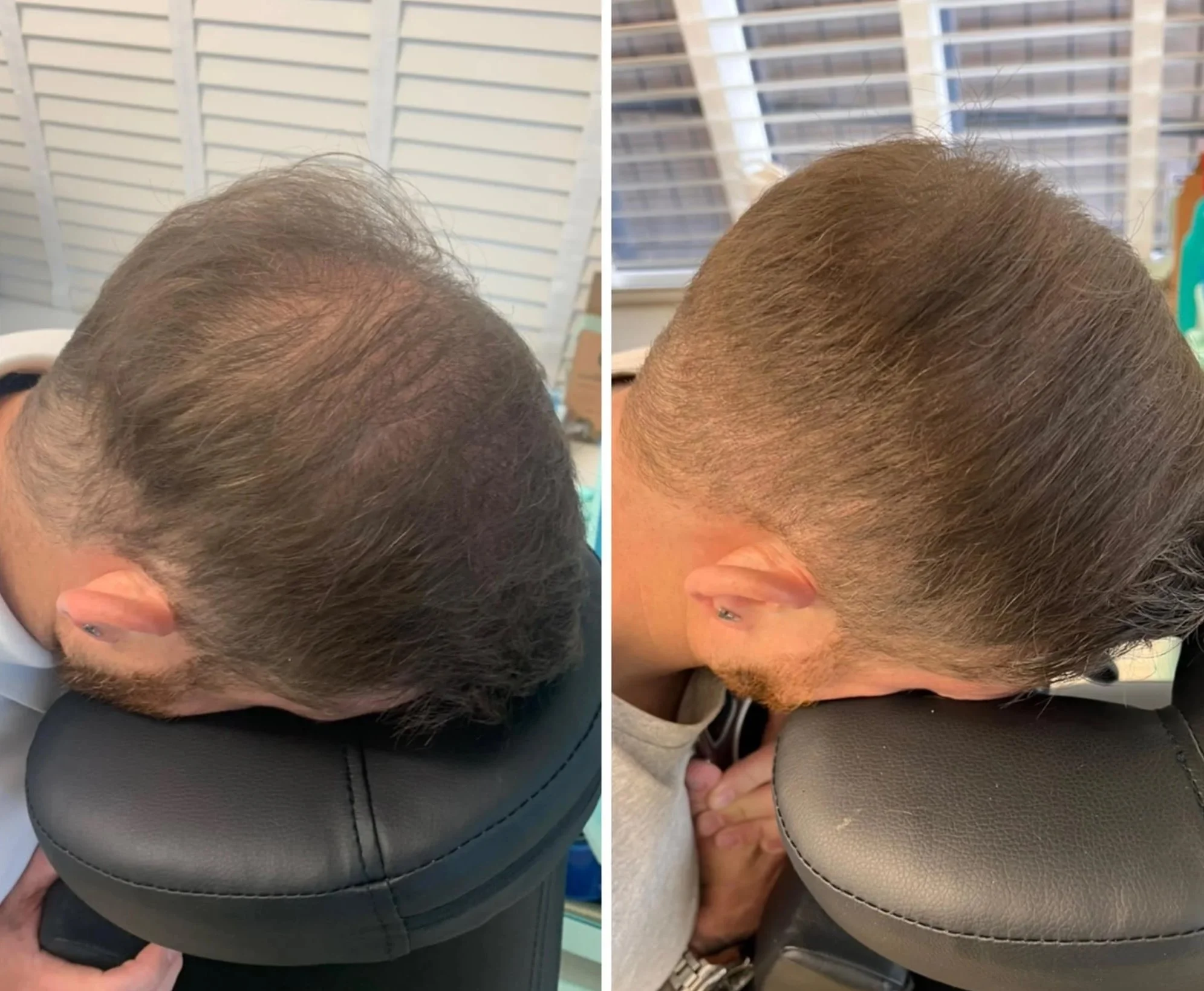
Scalp pigmentation is a cutting-edge, non-surgical cosmetic procedure designed to replicate the appearance of natural hair follicles on the scalp. Using specialised pigment deposits carefully matched to your natural hair colour, this treatment creates the illusion of fuller, denser hair. Ideal for individuals experiencing hair thinning, receding hairlines, or alopecia, scalp micropigmentation provides an immediate aesthetic improvement, boosting confidence without the need for invasive surgery or daily maintenance.
At Ely SPMU & Aesthetic Clinic, our expert practitioners tailor each treatment to suit your unique hair pattern and skin tone, ensuring a natural and seamless finish. The procedure is minimally invasive, safe, and long-lasting, making it an excellent solution for those seeking to restore the look of a healthy hairline or conceal scalp imperfections.
Discover the confidence that comes with a revitalised scalp appearance. Book a consultation today to explore how scalp pigmentation can transform your look with natural, subtle results.Scalp Micropigmentation (SMP) can also be referred to as an advanced medical hair tattoo and is the only hair loss solution that guarantees results for men and women.
How does it work?
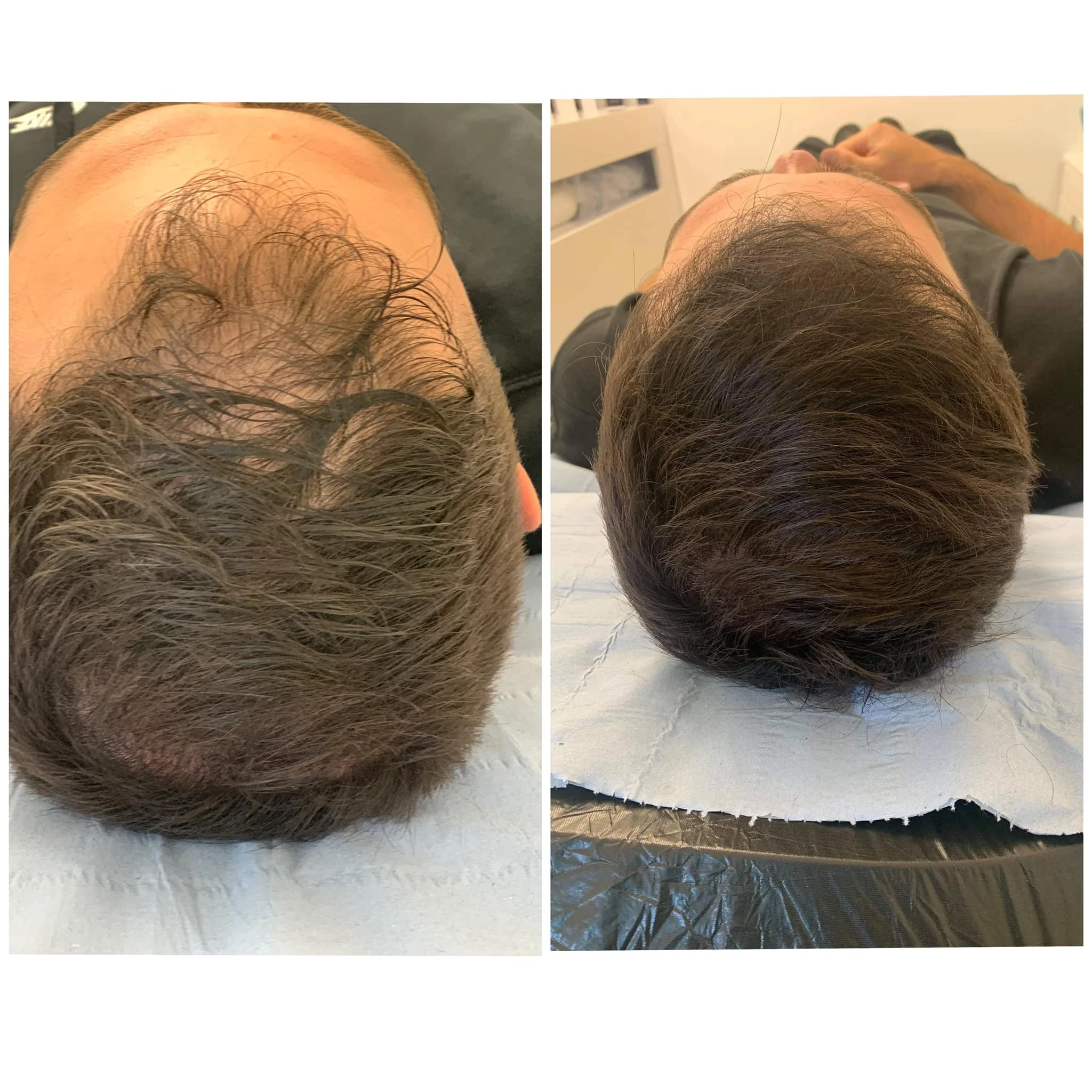
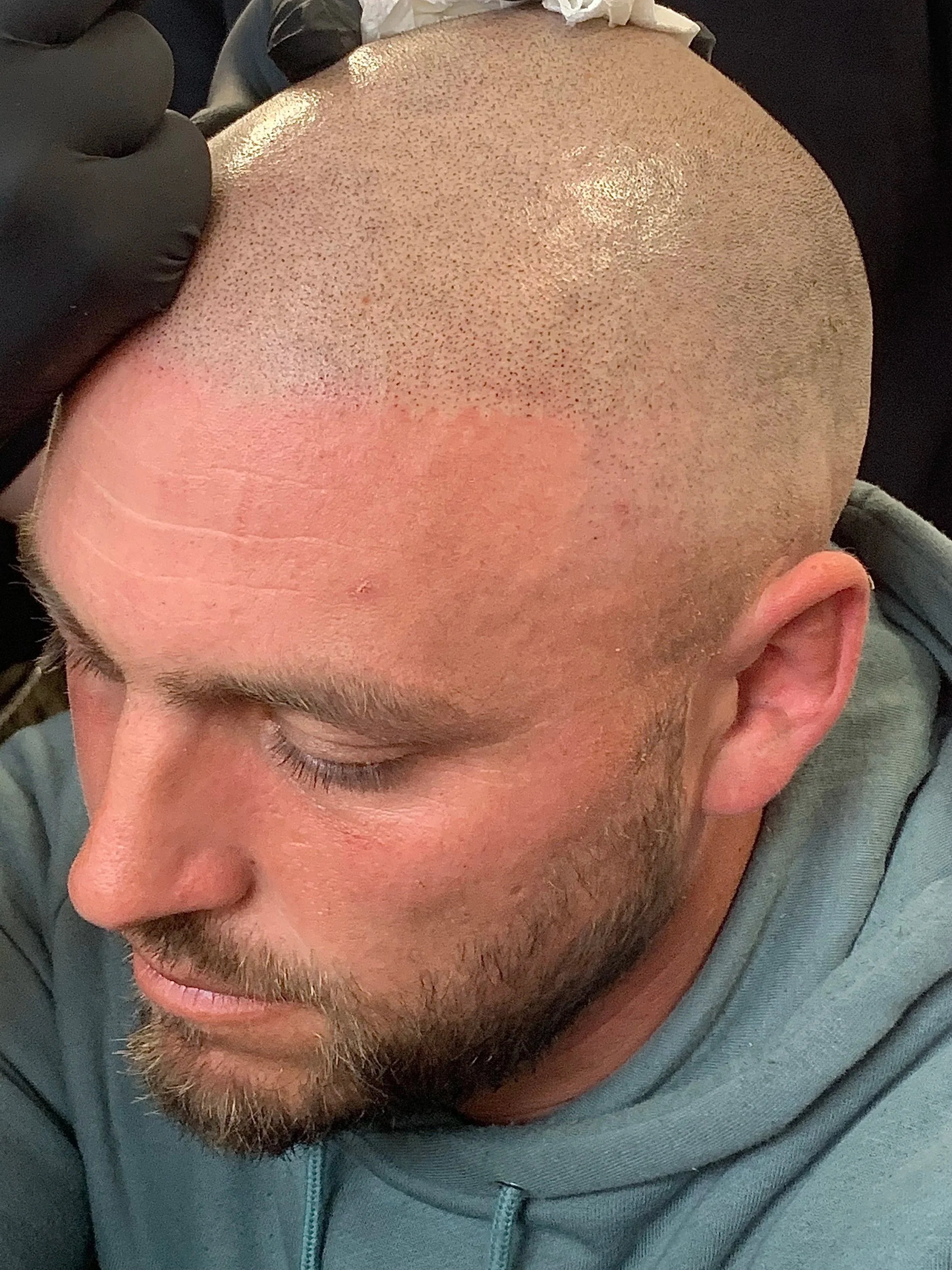
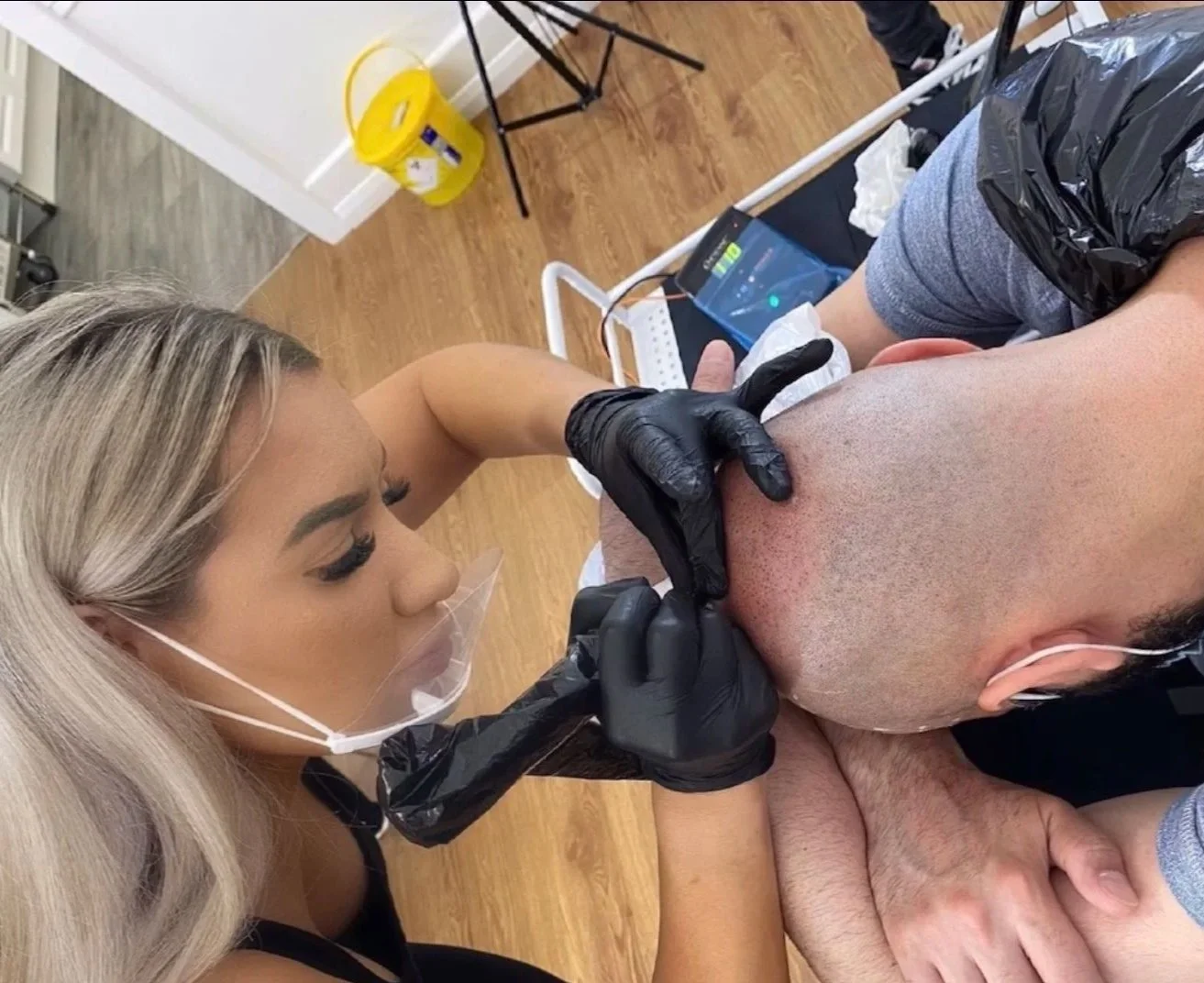
It is a safe, non-invasive treatment which permanently disguises hair loss of any type once and for all, using specially formulated micro needles, machines, and techniques to deposit pigment into the upper dermal layer of the scalp.
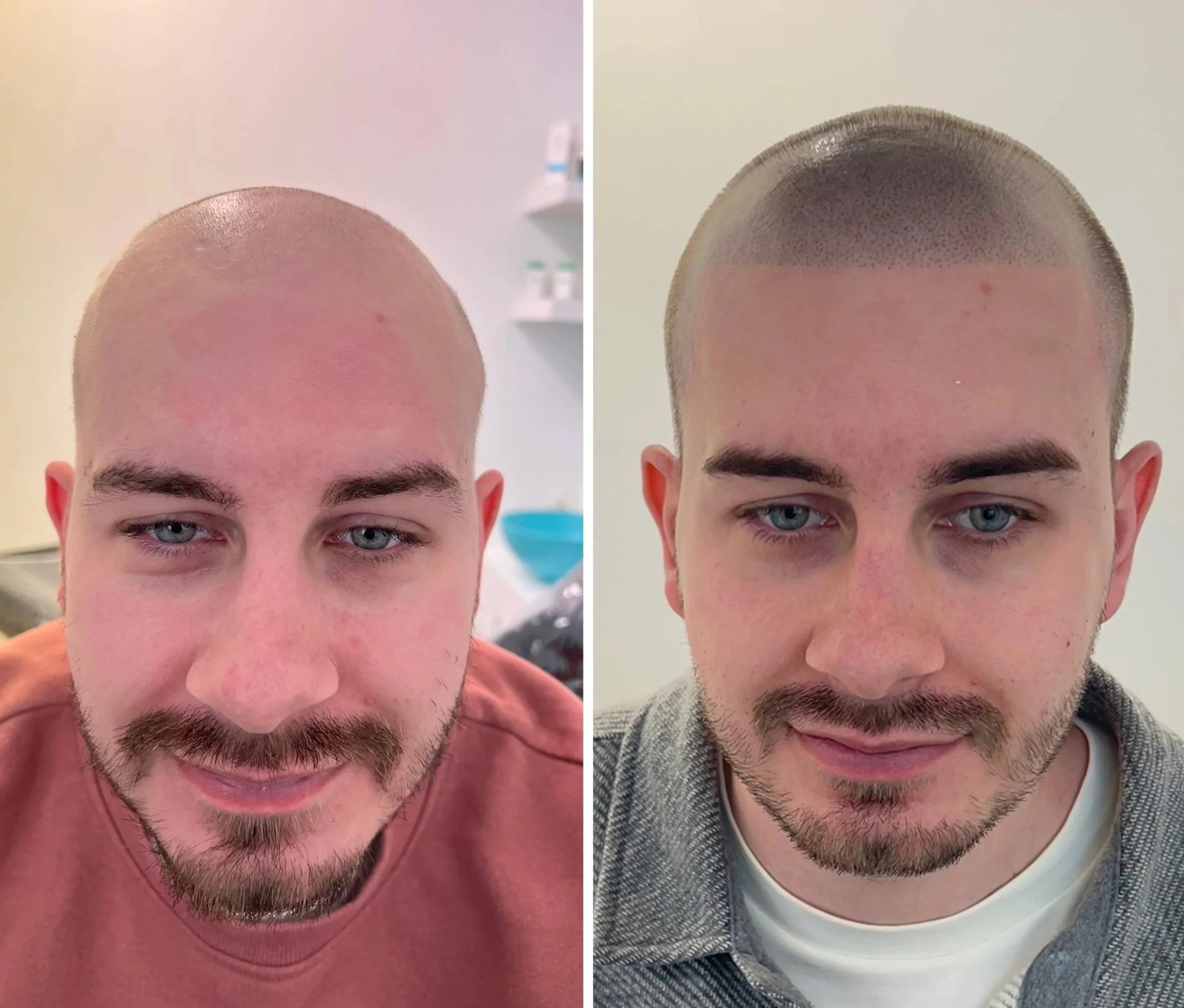
These micro deposits of pigment are identical to short length hairs and are matched and blended into existing hair to create a seamless, completely undetectable result.
How much does it cost?
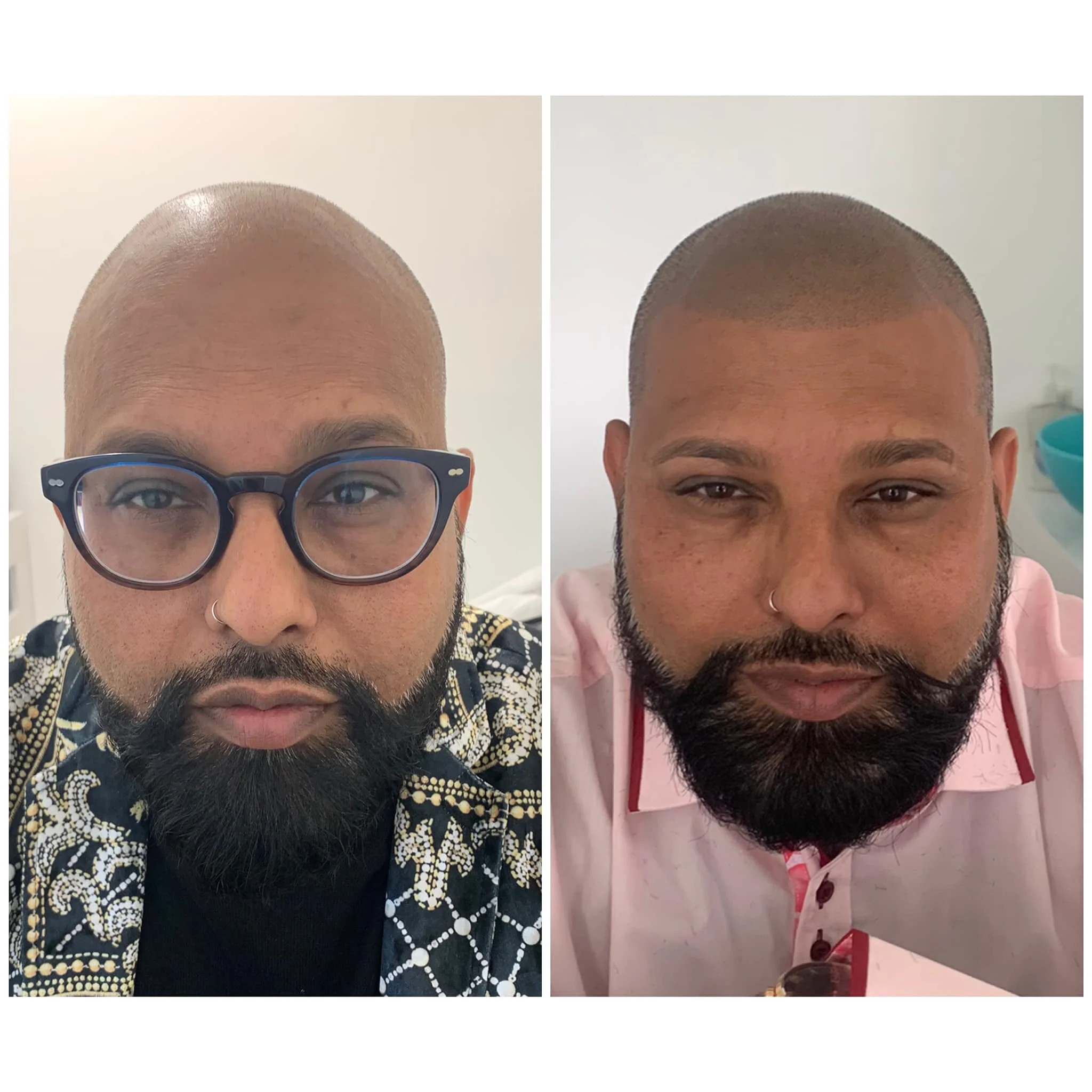
£334-£824 per session.
How many treatments are needed and how soon will I see results?
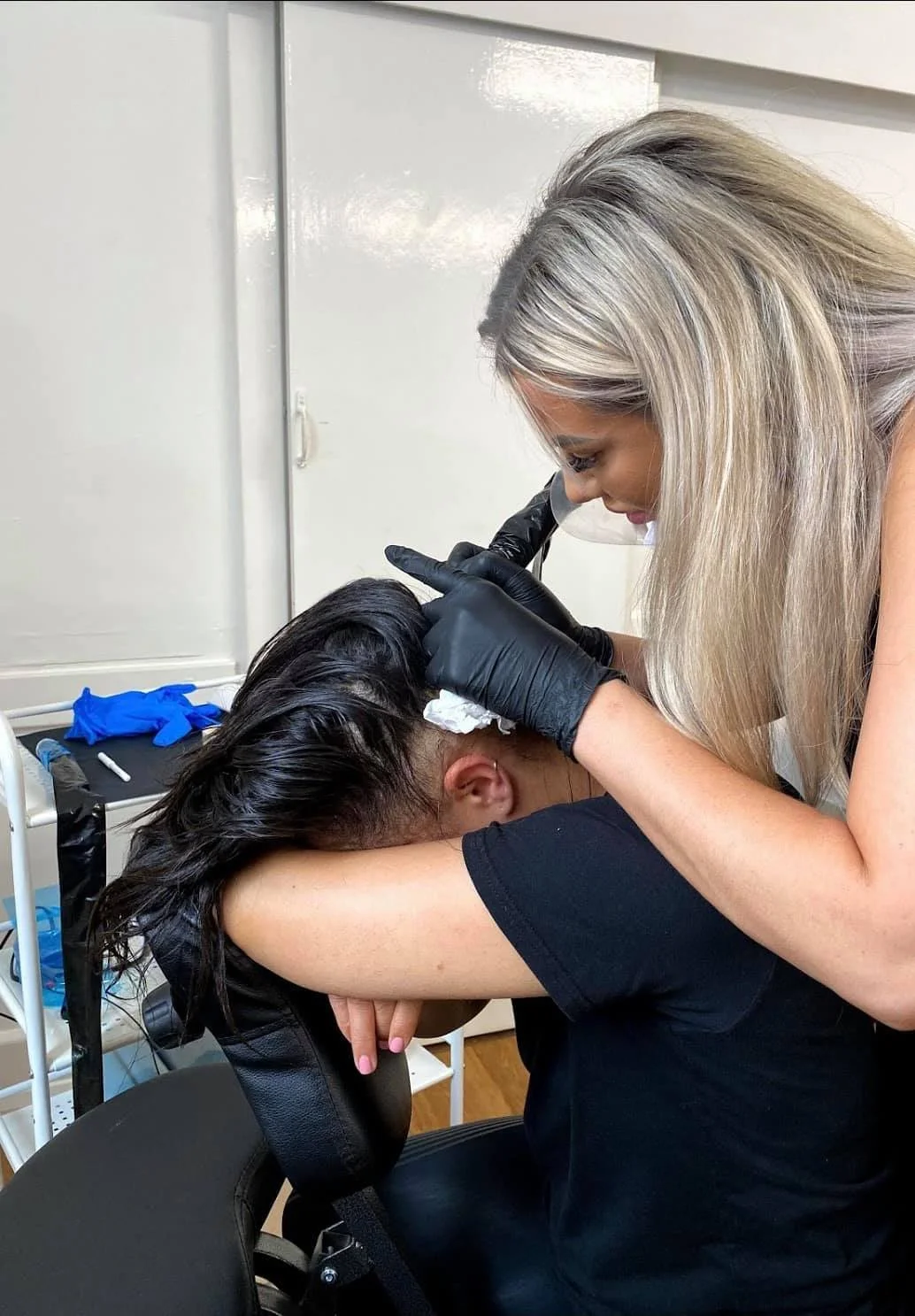
SMP is performed over 3 separate treatment sessions, to allow the new treatment time to settle in.
Each treatment session will give an even layering of SMP throughout the treated areas.
The great thing about Scalp Micropigmentation is that it gives results from the very first treatment.
How often will I need a top up?
Most people go 3-4 years.
Ive had a previous hair transplant that has not worked, can I still have scalp pigmentation?
Yes, most people eventually transfer over to scalp pigmentation from a hair transplant.
How long does it take?
We allow 1-4 hours for the treatment, depending on each individual.
Who is suitable?
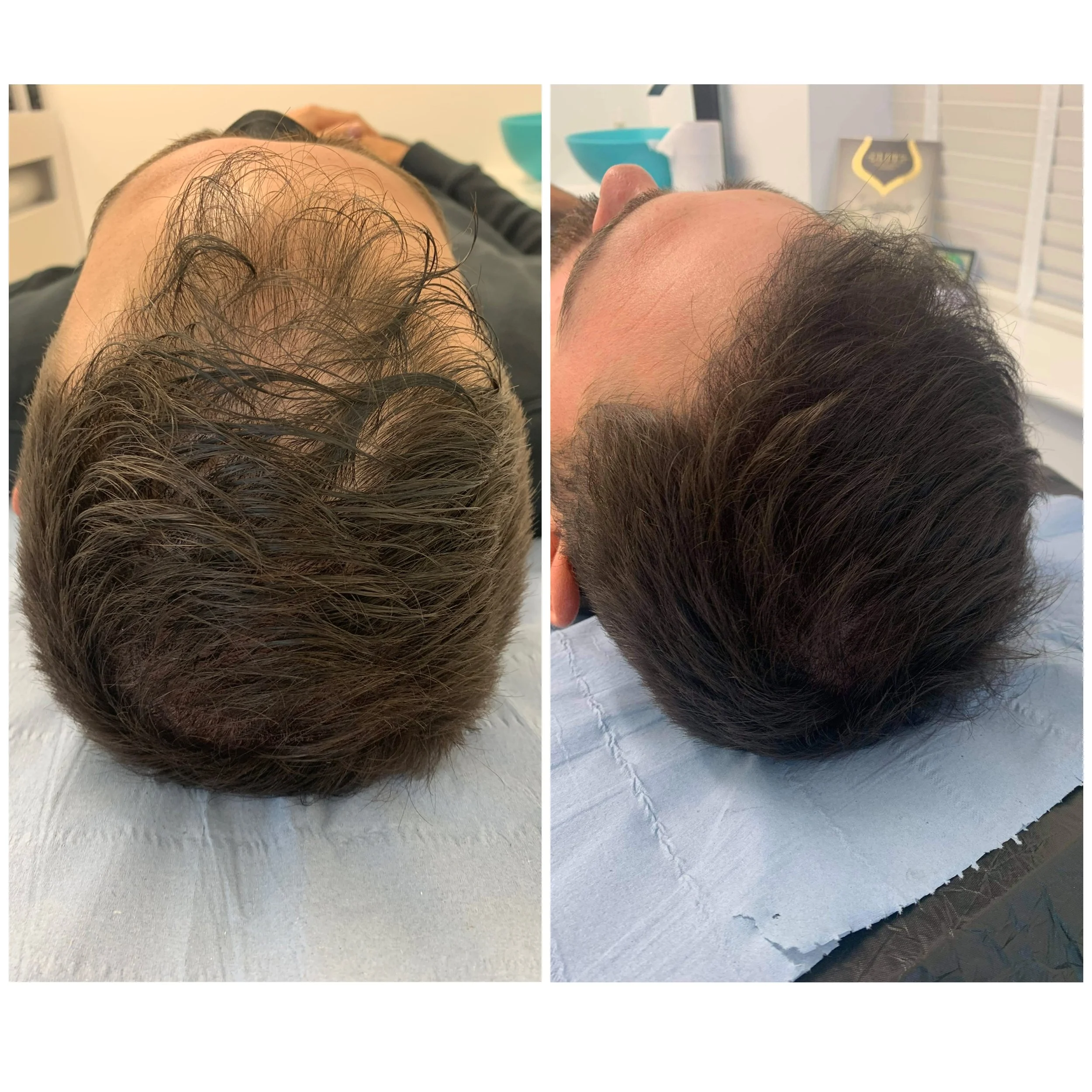
SMP is suitable for anyone aged 18+, male or female and can be used to treat any type of hair loss such as male pattern baldness, thinning hair, alopecia and head scars.
Does it hurt?
No, There may be a slight bit of discomfort around the temple area, but other than that there should be minimal pain.
Why would you recommend scalp pigmentation instead of a hair transplant?
Cheaper
No downtime/recovery/pain
If you have a hair transplant you will be required to take tablets after the hair transplant, which not only are expensive, but will make you loose your sex drive.
If you stop taking the tablets for the hair transplant, you will loose your hair again.
Most transplants are done with your existing hair, so they aren’t as effective for treating people with widespread thinning and baldness, or hair loss due to chemotheraphy, other medications, or thick scalp scars from injuries as hair cannot grow through scars.
After a hair transplant your head will be tender, meaning you may struggle to sleep, or rest your head.
Hair transplants mean scarring, which may not properly heal and cause infection. The scars are not ideal when you later turn to scalp pigmentation further down the line.
Hair transplants come with a risk of haemorraging.
Hair transplants can leave bumps on the scalp if the follicles die off.
You may experience swelling with a hair transplant.
If you’ve had chemotheraphy you cannot have a hair transplant.
Often with a hair transplant, you are not able to get back your old hairline and the transplant will be positioned somewhere between your old hairline and current one.
In many cases the hairline will continue to get thinner in other areas on the head, leading to the need for more transplants. When you run out of areas you will turn to scalp pigmentation anyway.